AI Agents, Explained
Imagine having a smart assistant that doesn’t just chat—but actually gets stuff done for you. That’s the promise of AI agents. This guide will break down what they are, why they matter, and how businesses are already putting them to work.
So… What Exactly Is an AI Agent?
An AI agent is a software program that perceives its environment, makes decisions, and takes actions autonomously to accomplish goals. Unlike chatbots that just respond to prompts, AI agents actively perform tasks using tools you give them—like web browsers, email, spreadsheets, or calendars.
Think of a business assistant who can browse websites, extract data, fill out forms, generate reports, or summarize inboxes—without needing your constant input. They’re powered by language models like ChatGPT, but upgraded to handle tasks more like a real assistant would.
According to AWS and IBM, an AI agent is a rational system that senses, plans, reasons, and acts toward a goal defined by humans—operating with minimal oversight but always within guardrails you set.
Why Businesses Should Care
AI agents are more than fancy chatbots—they’re part of a shift to what’s called agentic AI. That means systems that operate with autonomy, context awareness, and a sense of purpose. They don’t just respond. They initiate and follow through.
Companies like Walmart, Salesforce, and SAP are investing heavily in agents to manage workflows, customer service, and internal tasks. These tools are already proving they can cut time, reduce error, and boost productivity. And we’re just getting started.
How Do They Actually Work?
At the core, AI agents follow a simple cycle: they perceive, plan, act, and learn. First, they take in information (like text or data). Then they break a goal into steps. They take action using tools or plugins. And finally, they adapt based on results or feedback.
Some agents are simple—like a customer service bot that follows a script. Others are complex and can handle projects that span multiple steps, tools, or data sources. The most advanced agents can collaborate with other agents, forming teams to complete even more ambitious tasks.
Types of AI Agents
There are different levels of agents. Some are reactive, responding instantly with no memory. Some are proactive, anticipating what you’ll need. Others are utility-based, weighing options to make smart choices. And then there are learning agents that improve over time.
In business, we’re seeing hybrid agents that combine these traits—adapting to context, switching tools, and collaborating with users to deliver high-value outcomes. You don’t have to know how they work under the hood—just what they can do for you.
Real-World Use Cases
Here’s how businesses are already using AI agents today:
Customer support teams deploy agents to handle FAQs and escalate complex issues. Finance departments use agents to process invoices, flag issues, and summarize expenses. Marketers rely on agents to research competitors and draft content. And internal teams use agents to schedule meetings, summarize notes, and manage travel logistics.
The point is: if there’s a repeatable workflow in your business, there’s probably an AI agent that can help make it faster, easier, or cheaper.
How to Get Started
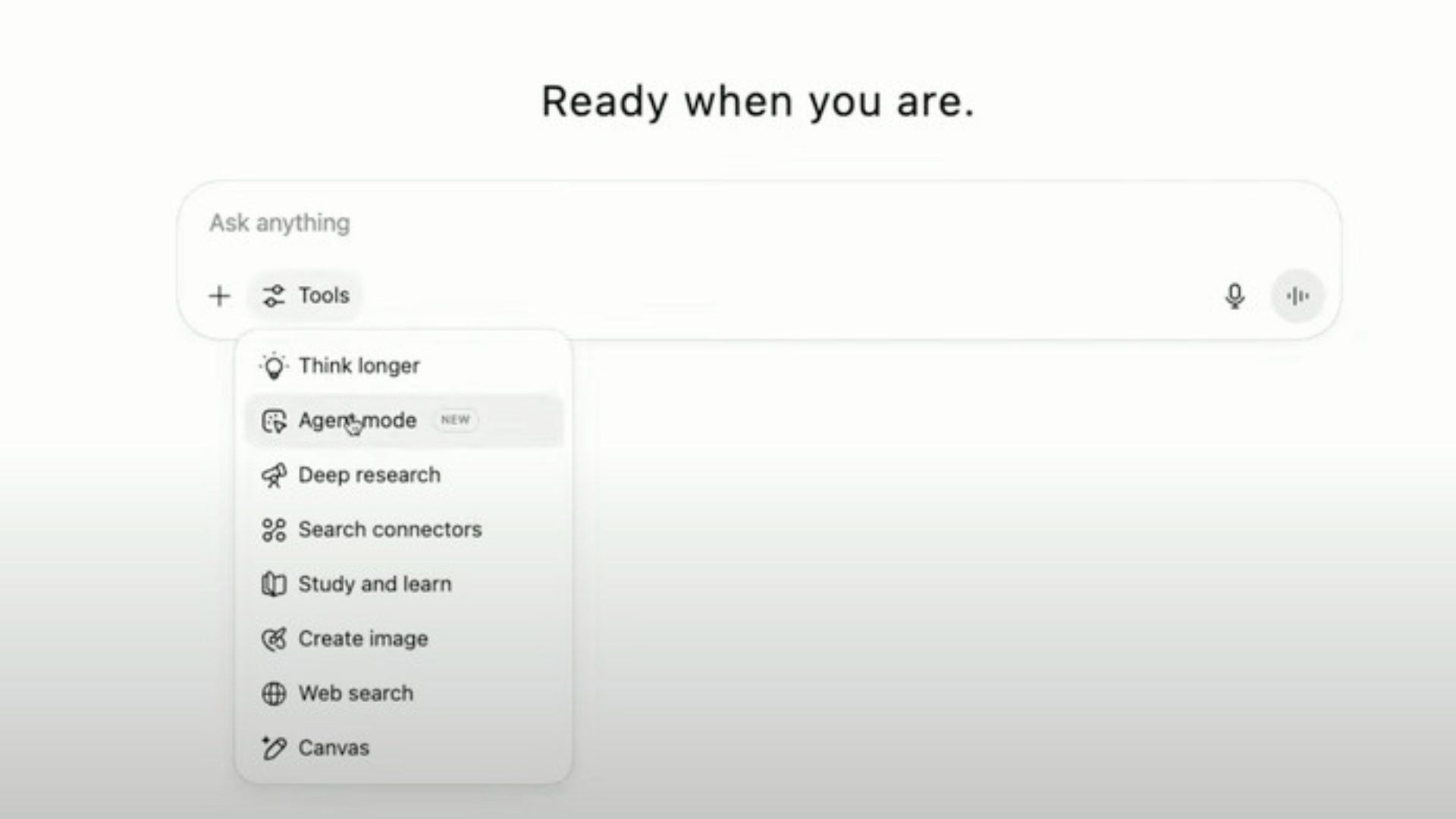
Start by identifying one task that eats up your team’s time. Something repetitive, manual, or low-value. Then look for tools or platforms that support AI agents—like OpenAI’s ChatGPT with Agent Mode, or enterprise solutions from IBM, Salesforce, or SAP.
Set clear goals. Define boundaries. Make sure someone oversees the agent’s actions. And run a pilot to see what kind of impact it has. Most companies are shocked at how much time they get back when they start small with AI agents.
Potential Risks to Watch
Like any tool, AI agents come with risks. They can make mistakes, operate on outdated data, or take unexpected actions if not guided properly. That’s why it’s important to set permissions, build in human checkpoints, and monitor their behavior regularly.
Think of AI agents like junior employees. You don’t give them free reign on day one—but with training, supervision, and trust, they can become some of your most valuable helpers.
Final Thoughts
AI agents aren’t science fiction anymore. They’re showing up in CRMs, inboxes, ERPs, and websites across industries. They’re getting smarter, faster, and more capable by the month. And they might just become your favorite coworkers—if you let them.
If you’re a business owner, now’s the time to learn what they can do, experiment with where they fit, and think strategically about how AI agents can unlock time, savings, and growth for your team.